Buy home-trading.com ?
We are moving the project
home-trading.com .
Are you interested in purchasing the domain
home-trading.com ?
domain@kv-gmbh.de · 0541-91531010
Buy home-trading.com ?
What is the appeasement policy?
The appeasement policy was a diplomatic strategy employed by European powers, particularly Britain and France, in the 1930s in response to the aggressive expansionist actions of Nazi Germany. The policy aimed to avoid conflict and maintain peace by giving in to some of Germany's demands in the hopes of preventing further aggression. This approach was based on the belief that by satisfying some of Germany's territorial and political ambitions, it would reduce the likelihood of war. However, the policy ultimately failed as it only emboldened Germany, leading to the outbreak of World War II. **
What was the British appeasement policy?
The British appeasement policy was a strategy employed by the British government in the 1930s to avoid conflict with Nazi Germany. It involved giving in to some of Hitler's demands in the hopes of preventing another world war. The policy was criticized for being too lenient and ultimately failed to prevent the outbreak of World War II. **


Similar search terms for Appeasement
Top-Angebote
Products related to Appeasement:
-
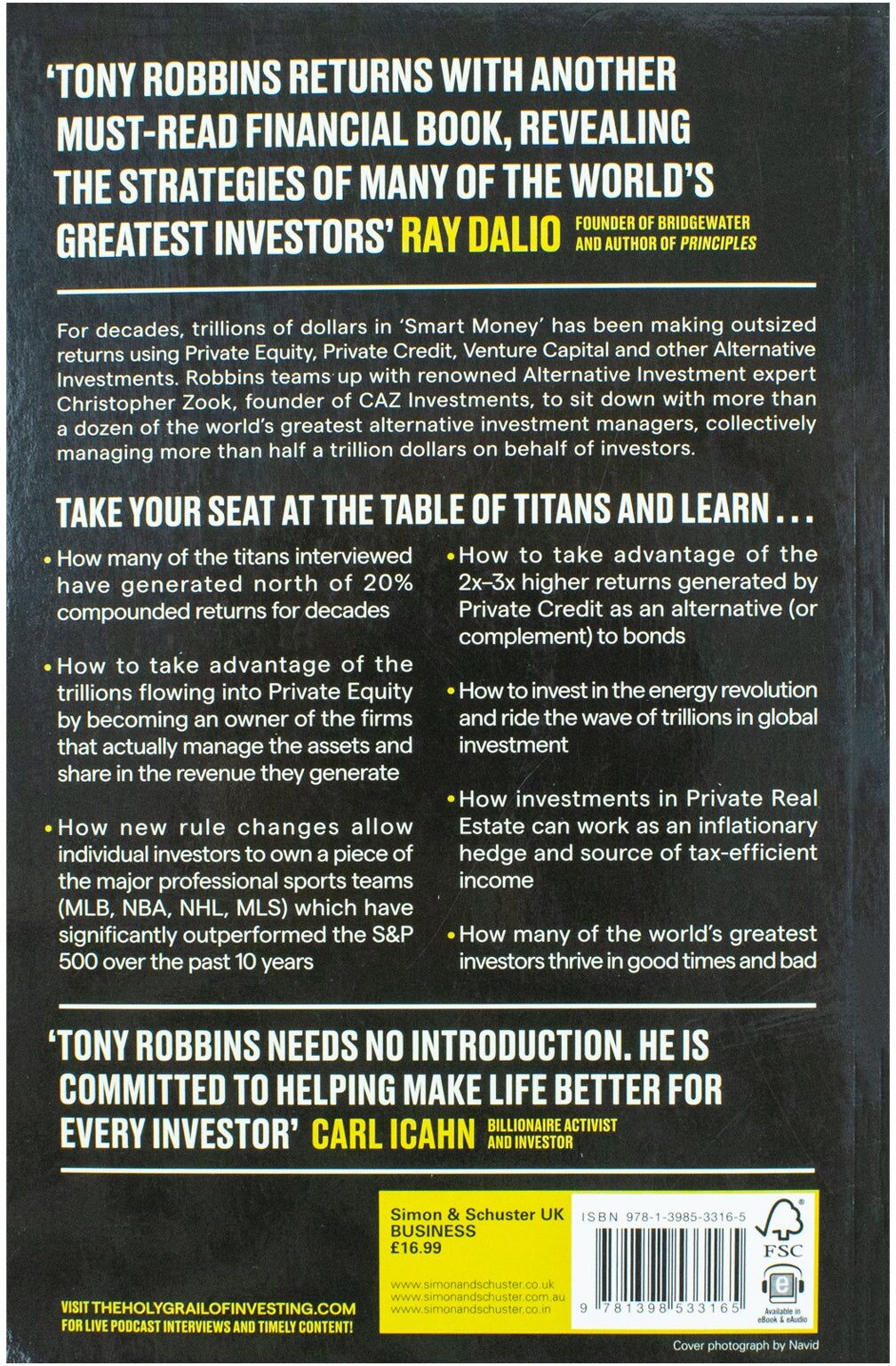
Simon & Schuster UK The Holy Grail of Investing by Tony Robbins & Christopher Zook - Paperback - Financial Freedom Series - Private Markets Investing GuideJoin Tony Robbins and veteran investor Christopher Zook in their book, The Holy Grail of Investing, a comprehensive guide to the private markets used by the world's wealthiest institutions. Drawing on interviews with notable investors such as Howard Marks, Vinod Khosla, and Robert Smith, the book explores private equity, private credit, real estate, and venture capital. This book is part of the Tony Robbins Financial Freedom series and offers a practical, evidence-based guide for building a resilient portfolio. For decades, trillions of dollars of 'smart money' has quietly outperformed public markets through alternative investments. Robbins and Zook aim to demystify this world for everyday readers, blending investor profiles and historical insights to provide a deeper understanding of the private markets.8,99 £*Shipping: 2,99 £Secure redirect to the provider
-
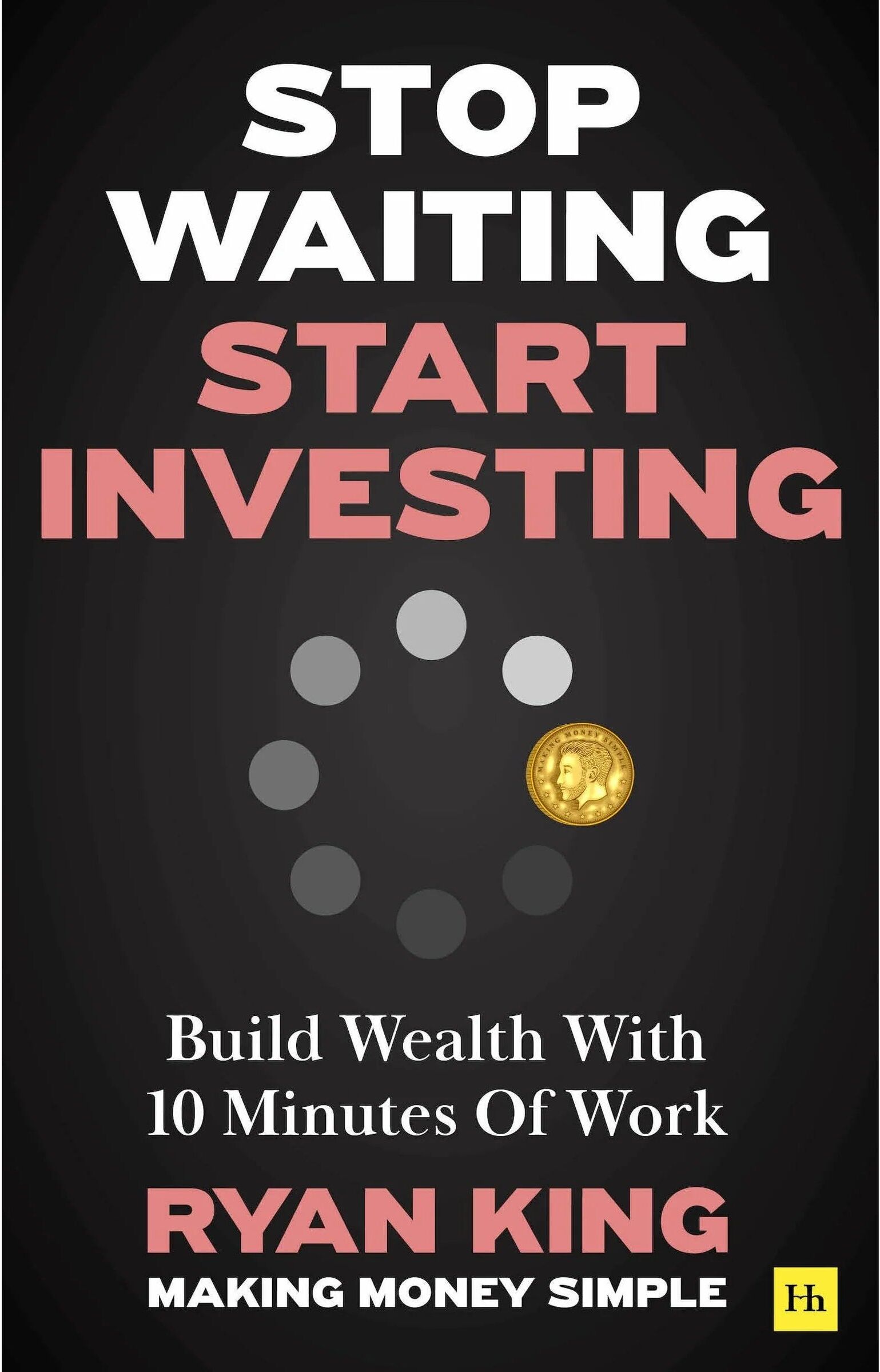
Harriman House Stop Waiting, Start Investing by Ryan King - Paperback Investing Guide - Build Wealth With 10 Minutes Of Work - Personal Finance BookBuild wealth with just 10 minutes of work a day using the stock market with this practical guide. Written by finance content creator and chartered accountant Ryan King, the book offers a simple, passive, automated approach to investing that fits around a busy life. Whether you're starting from scratch or refining an existing strategy, you'll be given the tools and confidence to take control of your financial future. This book directly addresses common hesitations about investing, guiding you step by step through the fundamentals of stock market investing in clear, accessible language. Ryan King draws on his own experience and expertise to provide a beginner-friendly guide to building long-term wealth.11,99 £*Shipping: 2,99 £Secure redirect to the provider
-
Liberty Furniture Meritage Executive Home Office Desk Set, Multiple OptionsCreativity starts with the Meritage home office collection. Meticulously crafted using Poplar solids with Birch and Maple veneers, this set features an Aged Charcoal with rub through and Caramel finish.3687,99 $*Shipping: 0,00 $Secure redirect to the provider
-
S&S/Simon Element Hacking Immortality: New Realities in the Quest to Live Forever (Alice in Futureland) by Sputnik FuturesCheat death—or at least delay it—with this accessible look into the quest for immortality, and what it means for human civilization. Are humans close to living forever? With advances in medicine and new therapies that prolong life expectancy, we are on track to make aging ever more manageable. This first book in the exciting newAlice in Futureland series explores both the science and cultural impulse behind extending life, and the numerous ways the quest for eternity forces us to reevaluate what it means to be human. Some experts believe that we haven’t fully realized our true human potential, and we are about to embark on an extraordinary evolutionary shift. Hacking Immortality answers all your burning questions, including: –Can humans cheat death? –What is your grim age? –Will 100 be the new 40? –Will we become software? As reality suddenly catches up to science fiction, Hacking Immortality gives the truth on the state of humanity—and all its possible futures.10,99 £*Shipping: 2,99 £Secure redirect to the provider


-
Are there alternatives to appeasement policy?
Yes, there are alternatives to appeasement policy. One alternative is a policy of deterrence, where a country builds up its military strength to deter aggression from other nations. Another alternative is a policy of containment, where a country works to contain the influence of a hostile nation without directly confronting it. Additionally, diplomacy and negotiation can be used as alternatives to appeasement, where countries engage in dialogue and seek peaceful resolutions to conflicts. **
-
What does the appeasement policy mean?
The appeasement policy refers to the strategy of giving in to the demands of a hostile power in order to avoid conflict. This approach is based on the belief that by accommodating the aggressor's demands, tensions can be reduced and peace can be maintained. The term is often associated with the policy of appeasement pursued by European powers towards Nazi Germany in the 1930s, which ultimately failed to prevent the outbreak of World War II. **
-
What is the policy of appeasement?
Appeasement is a diplomatic strategy where one country gives in to the demands of another in order to avoid conflict or maintain peace. This policy is often criticized for being short-sighted and ultimately failing to prevent aggression from the country whose demands are being appeased. One of the most well-known examples of appeasement is the policy pursued by European powers towards Nazi Germany in the years leading up to World War II, where concessions were made to Hitler in an attempt to avoid war. **
-
Is the policy of appeasement sensible?
The policy of appeasement can be sensible in certain situations, such as when a country is trying to avoid unnecessary conflict and maintain peace. However, it can also be seen as enabling aggressive behavior and failing to address underlying issues. Ultimately, the effectiveness of appeasement depends on the specific context and the willingness of the aggressor to engage in peaceful negotiations. It is important to carefully consider the potential consequences and long-term implications of appeasement before implementing such a policy. **


What was the appeasement policy during Hitler's time?
The appeasement policy was a diplomatic strategy employed by European powers, particularly Britain and France, in the 1930s in response to Adolf Hitler's aggressive expansionist policies. The policy involved giving in to some of Hitler's demands in the hopes of avoiding war and maintaining peace. However, this approach ultimately failed as Hitler continued to push for more territorial gains, leading to the outbreak of World War II. The appeasement policy is now widely criticized for emboldening Hitler and allowing him to strengthen his military capabilities unchecked. **
What was the policy of appeasement during Hitler's time?
The policy of appeasement during Hitler's time was a strategy adopted by Western powers, particularly Britain and France, in the 1930s. It involved giving in to some of Hitler's demands in the hopes of avoiding conflict and maintaining peace. The policy was based on the belief that by appeasing Hitler and meeting some of his demands, further aggression could be prevented. However, this approach ultimately failed as Hitler continued to expand his territory and power, leading to the outbreak of World War II. **
Top-Angebote
Products related to Appeasement:
-
Plata Publishing Rich Dad's Guide to Investing: What the Rich Invest In by Robert T. Kiyosaki - Paperback Personal Finance & Investing BookRich Dad's Guide to Investing: What the Rich Invest In is Robert T. Kiyosaki's essential companion to Rich Dad Poor Dad. This book takes readers deeper into the mindset and mechanics of building real wealth, focusing on active investing and how ordinary people can adopt the habits of the wealthy to escape the paycheck cycle. At the heart of this book is a simple but powerful distinction: passive investing versus active investing. Kiyosaki argues that true financial freedom comes from becoming an engaged investor who takes control of their financial future. This paperback is a valuable resource for anyone ready to move beyond saving and into investing, whether a beginner or someone already dabbling in stocks and property. Published by Plata Publishing, this book is aimed at adults and is a great companion to Rich Dad Poor Dad.10,99 £*Shipping: 2,99 £Secure redirect to the provider
-
Simon & Schuster UK The Holy Grail of Investing by Tony Robbins & Christopher Zook - Paperback - Financial Freedom Series - Private Markets Investing GuideJoin Tony Robbins and veteran investor Christopher Zook in their book, The Holy Grail of Investing, a comprehensive guide to the private markets used by the world's wealthiest institutions. Drawing on interviews with notable investors such as Howard Marks, Vinod Khosla, and Robert Smith, the book explores private equity, private credit, real estate, and venture capital. This book is part of the Tony Robbins Financial Freedom series and offers a practical, evidence-based guide for building a resilient portfolio. For decades, trillions of dollars of 'smart money' has quietly outperformed public markets through alternative investments. Robbins and Zook aim to demystify this world for everyday readers, blending investor profiles and historical insights to provide a deeper understanding of the private markets.8,99 £*Shipping: 2,99 £Secure redirect to the provider
-
Harriman House Stop Waiting, Start Investing by Ryan King - Paperback Investing Guide - Build Wealth With 10 Minutes Of Work - Personal Finance BookBuild wealth with just 10 minutes of work a day using the stock market with this practical guide. Written by finance content creator and chartered accountant Ryan King, the book offers a simple, passive, automated approach to investing that fits around a busy life. Whether you're starting from scratch or refining an existing strategy, you'll be given the tools and confidence to take control of your financial future. This book directly addresses common hesitations about investing, guiding you step by step through the fundamentals of stock market investing in clear, accessible language. Ryan King draws on his own experience and expertise to provide a beginner-friendly guide to building long-term wealth.11,99 £*Shipping: 2,99 £Secure redirect to the provider
-
What is the appeasement policy?
The appeasement policy was a diplomatic strategy employed by European powers, particularly Britain and France, in the 1930s in response to the aggressive expansionist actions of Nazi Germany. The policy aimed to avoid conflict and maintain peace by giving in to some of Germany's demands in the hopes of preventing further aggression. This approach was based on the belief that by satisfying some of Germany's territorial and political ambitions, it would reduce the likelihood of war. However, the policy ultimately failed as it only emboldened Germany, leading to the outbreak of World War II. **
-
What was the British appeasement policy?
The British appeasement policy was a strategy employed by the British government in the 1930s to avoid conflict with Nazi Germany. It involved giving in to some of Hitler's demands in the hopes of preventing another world war. The policy was criticized for being too lenient and ultimately failed to prevent the outbreak of World War II. **
-
Are there alternatives to appeasement policy?
Yes, there are alternatives to appeasement policy. One alternative is a policy of deterrence, where a country builds up its military strength to deter aggression from other nations. Another alternative is a policy of containment, where a country works to contain the influence of a hostile nation without directly confronting it. Additionally, diplomacy and negotiation can be used as alternatives to appeasement, where countries engage in dialogue and seek peaceful resolutions to conflicts. **
-
What does the appeasement policy mean?
The appeasement policy refers to the strategy of giving in to the demands of a hostile power in order to avoid conflict. This approach is based on the belief that by accommodating the aggressor's demands, tensions can be reduced and peace can be maintained. The term is often associated with the policy of appeasement pursued by European powers towards Nazi Germany in the 1930s, which ultimately failed to prevent the outbreak of World War II. **
Similar search terms for Appeasement
-
Liberty Furniture Meritage Executive Home Office Desk Set, Multiple OptionsCreativity starts with the Meritage home office collection. Meticulously crafted using Poplar solids with Birch and Maple veneers, this set features an Aged Charcoal with rub through and Caramel finish.3687,99 $*Shipping: 0,00 $Secure redirect to the provider
-
S&S/Simon Element Hacking Immortality: New Realities in the Quest to Live Forever (Alice in Futureland) by Sputnik FuturesCheat death—or at least delay it—with this accessible look into the quest for immortality, and what it means for human civilization. Are humans close to living forever? With advances in medicine and new therapies that prolong life expectancy, we are on track to make aging ever more manageable. This first book in the exciting newAlice in Futureland series explores both the science and cultural impulse behind extending life, and the numerous ways the quest for eternity forces us to reevaluate what it means to be human. Some experts believe that we haven’t fully realized our true human potential, and we are about to embark on an extraordinary evolutionary shift. Hacking Immortality answers all your burning questions, including: –Can humans cheat death? –What is your grim age? –Will 100 be the new 40? –Will we become software? As reality suddenly catches up to science fiction, Hacking Immortality gives the truth on the state of humanity—and all its possible futures.10,99 £*Shipping: 2,99 £Secure redirect to the provider
-
What is the policy of appeasement?
Appeasement is a diplomatic strategy where one country gives in to the demands of another in order to avoid conflict or maintain peace. This policy is often criticized for being short-sighted and ultimately failing to prevent aggression from the country whose demands are being appeased. One of the most well-known examples of appeasement is the policy pursued by European powers towards Nazi Germany in the years leading up to World War II, where concessions were made to Hitler in an attempt to avoid war. **
-
Is the policy of appeasement sensible?
The policy of appeasement can be sensible in certain situations, such as when a country is trying to avoid unnecessary conflict and maintain peace. However, it can also be seen as enabling aggressive behavior and failing to address underlying issues. Ultimately, the effectiveness of appeasement depends on the specific context and the willingness of the aggressor to engage in peaceful negotiations. It is important to carefully consider the potential consequences and long-term implications of appeasement before implementing such a policy. **
-
What was the appeasement policy during Hitler's time?
The appeasement policy was a diplomatic strategy employed by European powers, particularly Britain and France, in the 1930s in response to Adolf Hitler's aggressive expansionist policies. The policy involved giving in to some of Hitler's demands in the hopes of avoiding war and maintaining peace. However, this approach ultimately failed as Hitler continued to push for more territorial gains, leading to the outbreak of World War II. The appeasement policy is now widely criticized for emboldening Hitler and allowing him to strengthen his military capabilities unchecked. **
-
What was the policy of appeasement during Hitler's time?
The policy of appeasement during Hitler's time was a strategy adopted by Western powers, particularly Britain and France, in the 1930s. It involved giving in to some of Hitler's demands in the hopes of avoiding conflict and maintaining peace. The policy was based on the belief that by appeasing Hitler and meeting some of his demands, further aggression could be prevented. However, this approach ultimately failed as Hitler continued to expand his territory and power, leading to the outbreak of World War II. **
* All prices are inclusive of VAT and, if applicable, plus shipping costs. The offer information is based on the details provided by the respective shop and is updated through automated processes. Real-time updates do not occur, so deviations can occur in individual cases. ** Note: Parts of this content were created by AI.