Buy home-trading.com ?
We are moving the project
home-trading.com .
Are you interested in purchasing the domain
home-trading.com ?
domain@kv-gmbh.de · 0541-91531010
Buy home-trading.com ?
What is the difference between a forensic pathologist and a pathologist?
A forensic pathologist is a medical doctor who specializes in investigating the cause of death in cases of suspicious or unnatural deaths, such as homicides, accidents, or drug overdoses. They work closely with law enforcement and may perform autopsies to gather evidence for legal investigations. On the other hand, a pathologist is a medical doctor who studies the causes and effects of diseases, typically through examining tissues and bodily fluids. They diagnose diseases and help guide treatment decisions for patients. While both types of doctors study the human body and its diseases, forensic pathologists focus on determining the cause of death in legal cases, while pathologists focus on diagnosing diseases in living patients. **
What does a forensic pathologist do and what does a pathologist do?
A forensic pathologist is a medical doctor who specializes in investigating the cause of death in cases of suspicious or unnatural deaths. They perform autopsies, examine tissue samples, and analyze medical records to determine the cause of death. On the other hand, a pathologist is a medical doctor who studies the causes and effects of diseases. They analyze tissue samples, blood samples, and other bodily fluids to diagnose diseases and provide treatment recommendations. Both forensic pathologists and pathologists play crucial roles in the medical field by helping to determine the cause of death and diagnose diseases, respectively. **


Similar search terms for Pathologist
Top-Angebote
Products related to Pathologist:
-
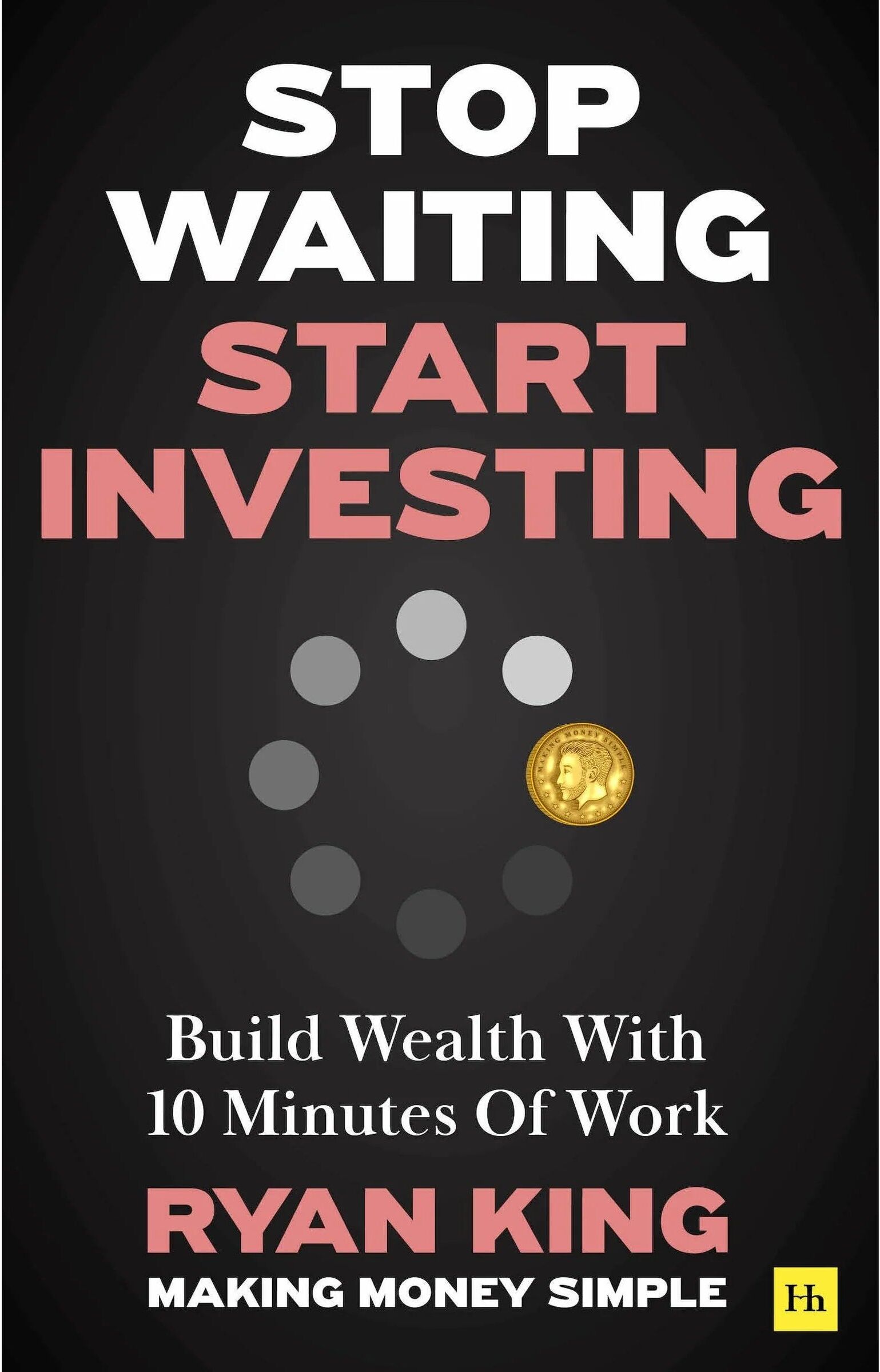
Harriman House Stop Waiting, Start Investing by Ryan King - Paperback Investing Guide - Build Wealth With 10 Minutes Of Work - Personal Finance BookBuild wealth with just 10 minutes of work a day using the stock market with this practical guide. Written by finance content creator and chartered accountant Ryan King, the book offers a simple, passive, automated approach to investing that fits around a busy life. Whether you're starting from scratch or refining an existing strategy, you'll be given the tools and confidence to take control of your financial future. This book directly addresses common hesitations about investing, guiding you step by step through the fundamentals of stock market investing in clear, accessible language. Ryan King draws on his own experience and expertise to provide a beginner-friendly guide to building long-term wealth.11,99 £*Shipping: 2,99 £Secure redirect to the provider
-
Liberty Furniture Meritage Executive Home Office Desk Set, Multiple OptionsCreativity starts with the Meritage home office collection. Meticulously crafted using Poplar solids with Birch and Maple veneers, this set features an Aged Charcoal with rub through and Caramel finish.3687,99 $*Shipping: 0,00 $Secure redirect to the provider
-
Penguin Rule #1: The Simple Strategy for Successful Investing in Only 15 Minutes a WeekPhil Town doesn't think so. He made a fortune, and in Rule #1 he'll show you how he did it.Rule #1:- Sets out the five key numbers that really count when you're buying stocks and shares- Explains how to use new Internet tools to simplify research- Shows how to exploit the advantages of being an individual investor- Demonstrates how to pay fifty pence for every pound's worth of business6,70 £*Shipping: 2,99 £Secure redirect to the provider



-
What is the daily life of a forensic pathologist or pathologist like?
A forensic pathologist's daily life involves conducting autopsies to determine the cause of death in cases of suspicious or unexplained deaths. They examine tissue samples, organs, and fluids to identify injuries, diseases, or toxins that may have contributed to the death. They also analyze medical records, collaborate with law enforcement and legal professionals, and testify in court as expert witnesses. Additionally, they may oversee the work of pathology technicians and communicate their findings to families and other medical professionals. Overall, their work is crucial in providing answers and closure to families, as well as supporting the justice system. **
-
Would you like to do an internship with a forensic pathologist or a pathologist?
As an AI, I don't have personal preferences, but I can provide some insights. Both forensic pathologists and pathologists play crucial roles in the field of medicine. If you are interested in the intersection of medicine and law, then an internship with a forensic pathologist may be more suitable as it involves working on cases involving criminal investigations. On the other hand, if you are more interested in the study of diseases and their effects on the human body, then an internship with a pathologist may be a better fit. Ultimately, the choice would depend on your specific interests and career goals within the field of medicine. **
-
How can I become a pathologist?
To become a pathologist, you will need to complete a bachelor's degree in a relevant field such as biology, chemistry, or pre-med. After completing your undergraduate degree, you will need to attend medical school and earn a Doctor of Medicine (M.D.) or Doctor of Osteopathic Medicine (D.O.) degree. Following medical school, you will need to complete a residency program in pathology, which typically lasts for four years. After completing your residency, you may choose to pursue a fellowship in a specialized area of pathology, such as surgical pathology or forensic pathology. Finally, you will need to obtain board certification in pathology by passing the certification exam administered by the American Board of Pathology. **
-
Is a forensic pathologist a civil servant?
No, a forensic pathologist is not typically considered a civil servant. Forensic pathologists are medical doctors who specialize in investigating the cause of death in cases of suspicious or unnatural circumstances. They are usually employed by government agencies, medical examiners' offices, or hospitals, but they are not classified as civil servants in the traditional sense. Instead, they are considered medical professionals who provide expert testimony and analysis in legal cases. **


What professions are there, forensic pathologist or surgeon?
Forensic pathologists are medical doctors who specialize in investigating the cause of death in cases of suspicious or unexplained deaths. They perform autopsies and analyze tissue samples to determine the cause of death. Surgeons, on the other hand, are medical doctors who specialize in performing surgical procedures to treat injuries, diseases, and deformities. They may specialize in various areas such as orthopedic surgery, neurosurgery, or cardiovascular surgery. Both professions require extensive medical training and expertise, but they have different focuses and responsibilities. **
Can I do an internship as a forensic pathologist?
Yes, it is possible to do an internship as a forensic pathologist. Many medical schools and forensic pathology programs offer internship opportunities for students interested in pursuing a career in this field. These internships provide hands-on experience working in a forensic pathology setting, allowing students to gain valuable skills and knowledge in the field. It is recommended to reach out to local medical examiners' offices or forensic pathology departments to inquire about internship opportunities and requirements. **
Top-Angebote
Products related to Pathologist:
-
Simon & Schuster UK The Holy Grail of Investing by Tony Robbins & Christopher Zook - Paperback - Financial Freedom Series - Private Markets Investing GuideJoin Tony Robbins and veteran investor Christopher Zook in their book, The Holy Grail of Investing, a comprehensive guide to the private markets used by the world's wealthiest institutions. Drawing on interviews with notable investors such as Howard Marks, Vinod Khosla, and Robert Smith, the book explores private equity, private credit, real estate, and venture capital. This book is part of the Tony Robbins Financial Freedom series and offers a practical, evidence-based guide for building a resilient portfolio. For decades, trillions of dollars of 'smart money' has quietly outperformed public markets through alternative investments. Robbins and Zook aim to demystify this world for everyday readers, blending investor profiles and historical insights to provide a deeper understanding of the private markets.8,99 £*Shipping: 2,99 £Secure redirect to the provider
-
Plata Publishing Rich Dad's Guide to Investing: What the Rich Invest In by Robert T. Kiyosaki - Paperback Personal Finance & Investing BookRich Dad's Guide to Investing: What the Rich Invest In is Robert T. Kiyosaki's essential companion to Rich Dad Poor Dad. This book takes readers deeper into the mindset and mechanics of building real wealth, focusing on active investing and how ordinary people can adopt the habits of the wealthy to escape the paycheck cycle. At the heart of this book is a simple but powerful distinction: passive investing versus active investing. Kiyosaki argues that true financial freedom comes from becoming an engaged investor who takes control of their financial future. This paperback is a valuable resource for anyone ready to move beyond saving and into investing, whether a beginner or someone already dabbling in stocks and property. Published by Plata Publishing, this book is aimed at adults and is a great companion to Rich Dad Poor Dad.10,99 £*Shipping: 2,99 £Secure redirect to the provider
-
Harriman House Stop Waiting, Start Investing by Ryan King - Paperback Investing Guide - Build Wealth With 10 Minutes Of Work - Personal Finance BookBuild wealth with just 10 minutes of work a day using the stock market with this practical guide. Written by finance content creator and chartered accountant Ryan King, the book offers a simple, passive, automated approach to investing that fits around a busy life. Whether you're starting from scratch or refining an existing strategy, you'll be given the tools and confidence to take control of your financial future. This book directly addresses common hesitations about investing, guiding you step by step through the fundamentals of stock market investing in clear, accessible language. Ryan King draws on his own experience and expertise to provide a beginner-friendly guide to building long-term wealth.11,99 £*Shipping: 2,99 £Secure redirect to the provider
-
What is the difference between a forensic pathologist and a pathologist?
A forensic pathologist is a medical doctor who specializes in investigating the cause of death in cases of suspicious or unnatural deaths, such as homicides, accidents, or drug overdoses. They work closely with law enforcement and may perform autopsies to gather evidence for legal investigations. On the other hand, a pathologist is a medical doctor who studies the causes and effects of diseases, typically through examining tissues and bodily fluids. They diagnose diseases and help guide treatment decisions for patients. While both types of doctors study the human body and its diseases, forensic pathologists focus on determining the cause of death in legal cases, while pathologists focus on diagnosing diseases in living patients. **
-
What does a forensic pathologist do and what does a pathologist do?
A forensic pathologist is a medical doctor who specializes in investigating the cause of death in cases of suspicious or unnatural deaths. They perform autopsies, examine tissue samples, and analyze medical records to determine the cause of death. On the other hand, a pathologist is a medical doctor who studies the causes and effects of diseases. They analyze tissue samples, blood samples, and other bodily fluids to diagnose diseases and provide treatment recommendations. Both forensic pathologists and pathologists play crucial roles in the medical field by helping to determine the cause of death and diagnose diseases, respectively. **
-
What is the daily life of a forensic pathologist or pathologist like?
A forensic pathologist's daily life involves conducting autopsies to determine the cause of death in cases of suspicious or unexplained deaths. They examine tissue samples, organs, and fluids to identify injuries, diseases, or toxins that may have contributed to the death. They also analyze medical records, collaborate with law enforcement and legal professionals, and testify in court as expert witnesses. Additionally, they may oversee the work of pathology technicians and communicate their findings to families and other medical professionals. Overall, their work is crucial in providing answers and closure to families, as well as supporting the justice system. **
-
Would you like to do an internship with a forensic pathologist or a pathologist?
As an AI, I don't have personal preferences, but I can provide some insights. Both forensic pathologists and pathologists play crucial roles in the field of medicine. If you are interested in the intersection of medicine and law, then an internship with a forensic pathologist may be more suitable as it involves working on cases involving criminal investigations. On the other hand, if you are more interested in the study of diseases and their effects on the human body, then an internship with a pathologist may be a better fit. Ultimately, the choice would depend on your specific interests and career goals within the field of medicine. **
Similar search terms for Pathologist
-
Liberty Furniture Meritage Executive Home Office Desk Set, Multiple OptionsCreativity starts with the Meritage home office collection. Meticulously crafted using Poplar solids with Birch and Maple veneers, this set features an Aged Charcoal with rub through and Caramel finish.3687,99 $*Shipping: 0,00 $Secure redirect to the provider
-
Penguin Rule #1: The Simple Strategy for Successful Investing in Only 15 Minutes a WeekPhil Town doesn't think so. He made a fortune, and in Rule #1 he'll show you how he did it.Rule #1:- Sets out the five key numbers that really count when you're buying stocks and shares- Explains how to use new Internet tools to simplify research- Shows how to exploit the advantages of being an individual investor- Demonstrates how to pay fifty pence for every pound's worth of business6,70 £*Shipping: 2,99 £Secure redirect to the provider
-
How can I become a pathologist?
To become a pathologist, you will need to complete a bachelor's degree in a relevant field such as biology, chemistry, or pre-med. After completing your undergraduate degree, you will need to attend medical school and earn a Doctor of Medicine (M.D.) or Doctor of Osteopathic Medicine (D.O.) degree. Following medical school, you will need to complete a residency program in pathology, which typically lasts for four years. After completing your residency, you may choose to pursue a fellowship in a specialized area of pathology, such as surgical pathology or forensic pathology. Finally, you will need to obtain board certification in pathology by passing the certification exam administered by the American Board of Pathology. **
-
Is a forensic pathologist a civil servant?
No, a forensic pathologist is not typically considered a civil servant. Forensic pathologists are medical doctors who specialize in investigating the cause of death in cases of suspicious or unnatural circumstances. They are usually employed by government agencies, medical examiners' offices, or hospitals, but they are not classified as civil servants in the traditional sense. Instead, they are considered medical professionals who provide expert testimony and analysis in legal cases. **
-
What professions are there, forensic pathologist or surgeon?
Forensic pathologists are medical doctors who specialize in investigating the cause of death in cases of suspicious or unexplained deaths. They perform autopsies and analyze tissue samples to determine the cause of death. Surgeons, on the other hand, are medical doctors who specialize in performing surgical procedures to treat injuries, diseases, and deformities. They may specialize in various areas such as orthopedic surgery, neurosurgery, or cardiovascular surgery. Both professions require extensive medical training and expertise, but they have different focuses and responsibilities. **
-
Can I do an internship as a forensic pathologist?
Yes, it is possible to do an internship as a forensic pathologist. Many medical schools and forensic pathology programs offer internship opportunities for students interested in pursuing a career in this field. These internships provide hands-on experience working in a forensic pathology setting, allowing students to gain valuable skills and knowledge in the field. It is recommended to reach out to local medical examiners' offices or forensic pathology departments to inquire about internship opportunities and requirements. **
* All prices are inclusive of VAT and, if applicable, plus shipping costs. The offer information is based on the details provided by the respective shop and is updated through automated processes. Real-time updates do not occur, so deviations can occur in individual cases. ** Note: Parts of this content were created by AI.