Buy home-trading.com ?
We are moving the project
home-trading.com .
Are you interested in purchasing the domain
home-trading.com ?
domain@kv-gmbh.de · 0541-91531010
Buy home-trading.com ?
Is it called "erschrocken" or "erschreckt"?
In German, both "erschrocken" and "erschreckt" are used as past participles of the verb "erschrecken," which means "to scare" or "to frighten." The choice between the two forms depends on the region or dialect. In standard German, "erschrocken" is more commonly used, while "erschreckt" is used in some dialects. Both forms are correct and can be used interchangeably in everyday language. **
What is the correct form: erschreckt or erschrocken?
The correct form is "erschrocken." This is the past participle form of the verb "erschrecken," which means "to scare" or "to frighten." The form "erschreckt" is the past tense form of the verb, while "erschrocken" is used to form the perfect tense in German. **

Similar search terms for Erschreckt
Top-Angebote
Products related to Erschreckt:
-
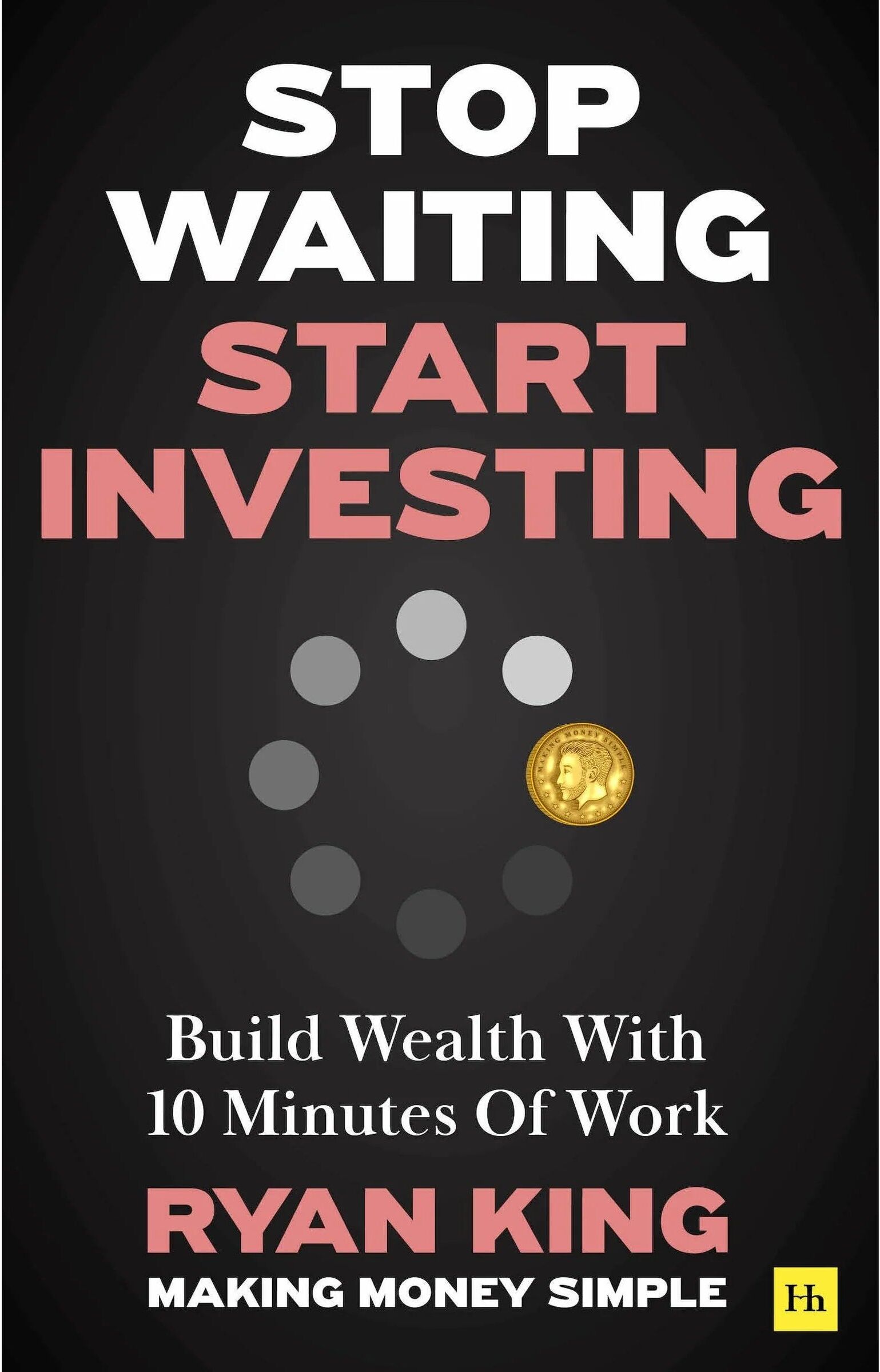
Harriman House Stop Waiting, Start Investing by Ryan King - Paperback Investing Guide - Build Wealth With 10 Minutes Of Work - Personal Finance BookBuild wealth with just 10 minutes of work a day using the stock market with this practical guide. Written by finance content creator and chartered accountant Ryan King, the book offers a simple, passive, automated approach to investing that fits around a busy life. Whether you're starting from scratch or refining an existing strategy, you'll be given the tools and confidence to take control of your financial future. This book directly addresses common hesitations about investing, guiding you step by step through the fundamentals of stock market investing in clear, accessible language. Ryan King draws on his own experience and expertise to provide a beginner-friendly guide to building long-term wealth.11,99 £*Shipping: 2,99 £Secure redirect to the provider
-
Liberty Furniture Meritage Executive Home Office Desk Set, Multiple OptionsCreativity starts with the Meritage home office collection. Meticulously crafted using Poplar solids with Birch and Maple veneers, this set features an Aged Charcoal with rub through and Caramel finish.3687,99 $*Shipping: 0,00 $Secure redirect to the provider
-
Penguin Rule #1: The Simple Strategy for Successful Investing in Only 15 Minutes a WeekPhil Town doesn't think so. He made a fortune, and in Rule #1 he'll show you how he did it.Rule #1:- Sets out the five key numbers that really count when you're buying stocks and shares- Explains how to use new Internet tools to simplify research- Shows how to exploit the advantages of being an individual investor- Demonstrates how to pay fifty pence for every pound's worth of business6,70 £*Shipping: 2,99 £Secure redirect to the provider



-
What is the correct grammatical form of erschreckt erschrocken?
The correct grammatical form of erschreckt erschrocken is "hat erschrocken." This is the past participle form of the verb erschrecken, which means "to scare" or "to frighten." In this form, the verb is conjugated with the auxiliary verb "haben" in the present tense to indicate that the action of being scared has been completed in the past. **
-
What is better: Forex trading or crypto?
The decision between Forex trading and crypto trading ultimately depends on individual preferences, risk tolerance, and investment goals. Forex trading involves trading fiat currencies in the foreign exchange market, which is the largest and most liquid market in the world. On the other hand, crypto trading involves buying and selling digital currencies like Bitcoin and Ethereum in the cryptocurrency market, which is known for its high volatility and potential for significant gains. Both markets offer opportunities for profit, but they also come with their own risks and challenges. It is important to thoroughly research and understand both markets before deciding which one is better suited to your investment strategy. **
-
Do you say "Ich habe mich erschreckt" or "Ich habe mich erschrocken"?
Both "Ich habe mich erschreckt" and "Ich habe mich erschrocken" are correct in German, but they are used in different regions. "Ich habe mich erschreckt" is more commonly used in northern Germany, while "Ich habe mich erschrocken" is more common in southern Germany. Both forms are accepted and understood throughout the country. **
-
What is correct: "Du hast mich erschrocken" or "Du hast mich erschreckt"?
Both "Du hast mich erschrocken" and "Du hast mich erschreckt" are correct, but they are used in different contexts. "Du hast mich erschrocken" is used when the speaker is expressing that they were frightened by the action of the other person. "Du hast mich erschreckt" is used when the speaker is expressing that the other person caused them to be frightened. Both forms are commonly used in spoken German. **


Does it say "Du hast mich erschreckt" or "Du hast mich erschrocken"?
The correct phrase is "Du hast mich erschreckt." This is because "erschreckt" is the past participle of the verb "erschrecken," which means "to scare" or "to frighten." Therefore, the correct phrase translates to "You scared me" in English. **
Does it say "Ich habe mich erschrocken" or "Ich habe mich erschreckt"?
Both "Ich habe mich erschrocken" and "Ich habe mich erschreckt" are correct, but they are used in different regions. "Ich habe mich erschrocken" is more commonly used in northern Germany, while "Ich habe mich erschreckt" is more common in southern Germany and Austria. Both forms mean "I got scared" or "I was startled." **
Top-Angebote
Products related to Erschreckt:
-
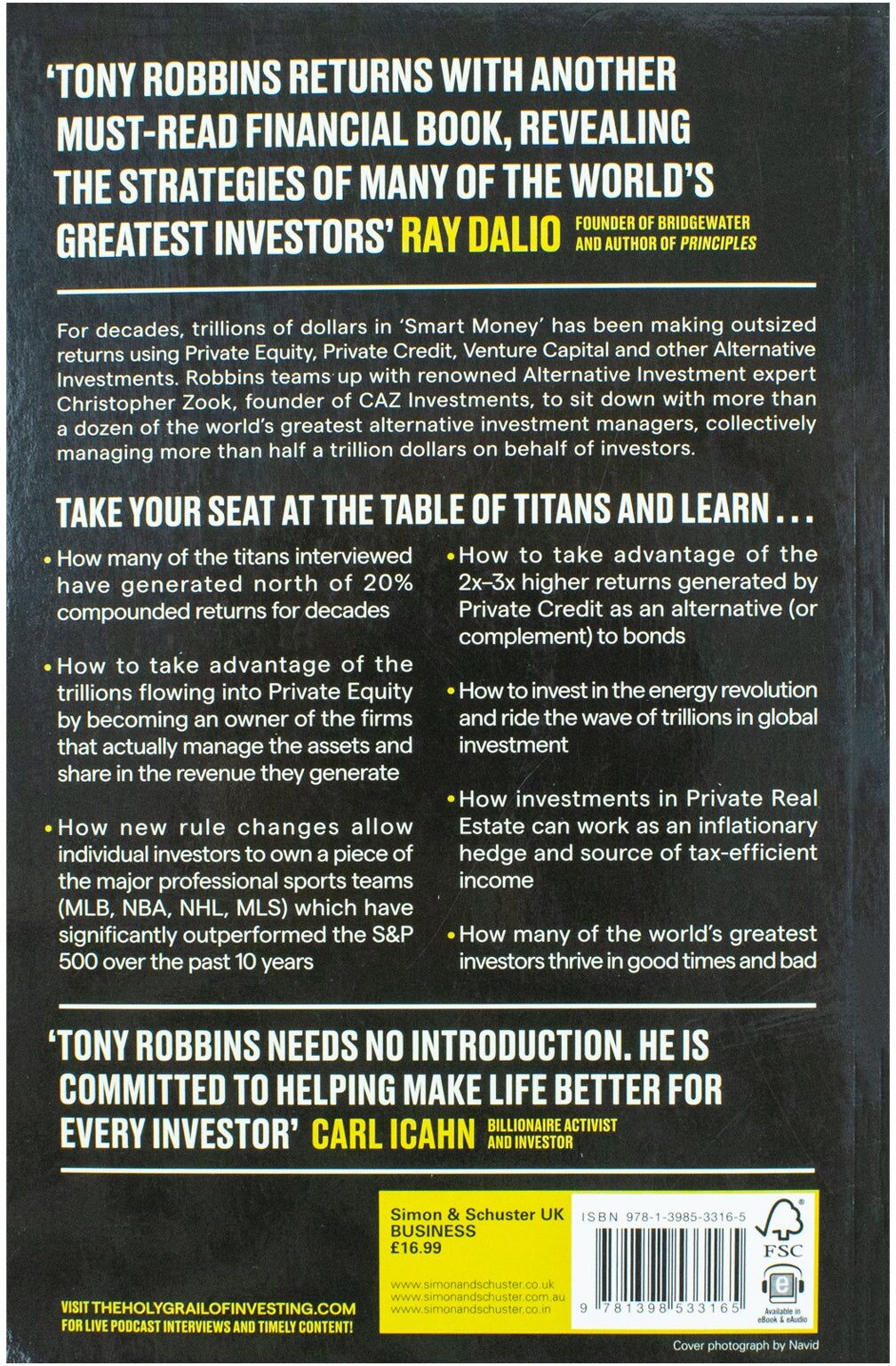
Simon & Schuster UK The Holy Grail of Investing by Tony Robbins & Christopher Zook - Paperback - Financial Freedom Series - Private Markets Investing GuideJoin Tony Robbins and veteran investor Christopher Zook in their book, The Holy Grail of Investing, a comprehensive guide to the private markets used by the world's wealthiest institutions. Drawing on interviews with notable investors such as Howard Marks, Vinod Khosla, and Robert Smith, the book explores private equity, private credit, real estate, and venture capital. This book is part of the Tony Robbins Financial Freedom series and offers a practical, evidence-based guide for building a resilient portfolio. For decades, trillions of dollars of 'smart money' has quietly outperformed public markets through alternative investments. Robbins and Zook aim to demystify this world for everyday readers, blending investor profiles and historical insights to provide a deeper understanding of the private markets.8,99 £*Shipping: 2,99 £Secure redirect to the provider
-
Plata Publishing Rich Dad's Guide to Investing: What the Rich Invest In by Robert T. Kiyosaki - Paperback Personal Finance & Investing BookRich Dad's Guide to Investing: What the Rich Invest In is Robert T. Kiyosaki's essential companion to Rich Dad Poor Dad. This book takes readers deeper into the mindset and mechanics of building real wealth, focusing on active investing and how ordinary people can adopt the habits of the wealthy to escape the paycheck cycle. At the heart of this book is a simple but powerful distinction: passive investing versus active investing. Kiyosaki argues that true financial freedom comes from becoming an engaged investor who takes control of their financial future. This paperback is a valuable resource for anyone ready to move beyond saving and into investing, whether a beginner or someone already dabbling in stocks and property. Published by Plata Publishing, this book is aimed at adults and is a great companion to Rich Dad Poor Dad.10,99 £*Shipping: 2,99 £Secure redirect to the provider
-
Harriman House Stop Waiting, Start Investing by Ryan King - Paperback Investing Guide - Build Wealth With 10 Minutes Of Work - Personal Finance BookBuild wealth with just 10 minutes of work a day using the stock market with this practical guide. Written by finance content creator and chartered accountant Ryan King, the book offers a simple, passive, automated approach to investing that fits around a busy life. Whether you're starting from scratch or refining an existing strategy, you'll be given the tools and confidence to take control of your financial future. This book directly addresses common hesitations about investing, guiding you step by step through the fundamentals of stock market investing in clear, accessible language. Ryan King draws on his own experience and expertise to provide a beginner-friendly guide to building long-term wealth.11,99 £*Shipping: 2,99 £Secure redirect to the provider
-
Is it called "erschrocken" or "erschreckt"?
In German, both "erschrocken" and "erschreckt" are used as past participles of the verb "erschrecken," which means "to scare" or "to frighten." The choice between the two forms depends on the region or dialect. In standard German, "erschrocken" is more commonly used, while "erschreckt" is used in some dialects. Both forms are correct and can be used interchangeably in everyday language. **
-
What is the correct form: erschreckt or erschrocken?
The correct form is "erschrocken." This is the past participle form of the verb "erschrecken," which means "to scare" or "to frighten." The form "erschreckt" is the past tense form of the verb, while "erschrocken" is used to form the perfect tense in German. **
-
What is the correct grammatical form of erschreckt erschrocken?
The correct grammatical form of erschreckt erschrocken is "hat erschrocken." This is the past participle form of the verb erschrecken, which means "to scare" or "to frighten." In this form, the verb is conjugated with the auxiliary verb "haben" in the present tense to indicate that the action of being scared has been completed in the past. **
-
What is better: Forex trading or crypto?
The decision between Forex trading and crypto trading ultimately depends on individual preferences, risk tolerance, and investment goals. Forex trading involves trading fiat currencies in the foreign exchange market, which is the largest and most liquid market in the world. On the other hand, crypto trading involves buying and selling digital currencies like Bitcoin and Ethereum in the cryptocurrency market, which is known for its high volatility and potential for significant gains. Both markets offer opportunities for profit, but they also come with their own risks and challenges. It is important to thoroughly research and understand both markets before deciding which one is better suited to your investment strategy. **
Similar search terms for Erschreckt
-
Liberty Furniture Meritage Executive Home Office Desk Set, Multiple OptionsCreativity starts with the Meritage home office collection. Meticulously crafted using Poplar solids with Birch and Maple veneers, this set features an Aged Charcoal with rub through and Caramel finish.3687,99 $*Shipping: 0,00 $Secure redirect to the provider
-
Penguin Rule #1: The Simple Strategy for Successful Investing in Only 15 Minutes a WeekPhil Town doesn't think so. He made a fortune, and in Rule #1 he'll show you how he did it.Rule #1:- Sets out the five key numbers that really count when you're buying stocks and shares- Explains how to use new Internet tools to simplify research- Shows how to exploit the advantages of being an individual investor- Demonstrates how to pay fifty pence for every pound's worth of business6,70 £*Shipping: 2,99 £Secure redirect to the provider
-
Do you say "Ich habe mich erschreckt" or "Ich habe mich erschrocken"?
Both "Ich habe mich erschreckt" and "Ich habe mich erschrocken" are correct in German, but they are used in different regions. "Ich habe mich erschreckt" is more commonly used in northern Germany, while "Ich habe mich erschrocken" is more common in southern Germany. Both forms are accepted and understood throughout the country. **
-
What is correct: "Du hast mich erschrocken" or "Du hast mich erschreckt"?
Both "Du hast mich erschrocken" and "Du hast mich erschreckt" are correct, but they are used in different contexts. "Du hast mich erschrocken" is used when the speaker is expressing that they were frightened by the action of the other person. "Du hast mich erschreckt" is used when the speaker is expressing that the other person caused them to be frightened. Both forms are commonly used in spoken German. **
-
Does it say "Du hast mich erschreckt" or "Du hast mich erschrocken"?
The correct phrase is "Du hast mich erschreckt." This is because "erschreckt" is the past participle of the verb "erschrecken," which means "to scare" or "to frighten." Therefore, the correct phrase translates to "You scared me" in English. **
-
Does it say "Ich habe mich erschrocken" or "Ich habe mich erschreckt"?
Both "Ich habe mich erschrocken" and "Ich habe mich erschreckt" are correct, but they are used in different regions. "Ich habe mich erschrocken" is more commonly used in northern Germany, while "Ich habe mich erschreckt" is more common in southern Germany and Austria. Both forms mean "I got scared" or "I was startled." **
* All prices are inclusive of VAT and, if applicable, plus shipping costs. The offer information is based on the details provided by the respective shop and is updated through automated processes. Real-time updates do not occur, so deviations can occur in individual cases. ** Note: Parts of this content were created by AI.